
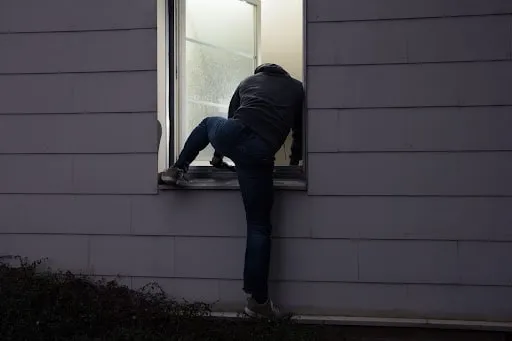
Property crimes are the most reported type of crime experienced in neighborhoods around the world. No wonder, then, that burglaries are widely feared.
Most burglaries happen at times of the day when the house is empty, while home invasions occur when people are likely to be home.
In this article, we’ll explain when most break-ins happen and the strategy behind it, as well as how to protect a property from common break-in strategies.
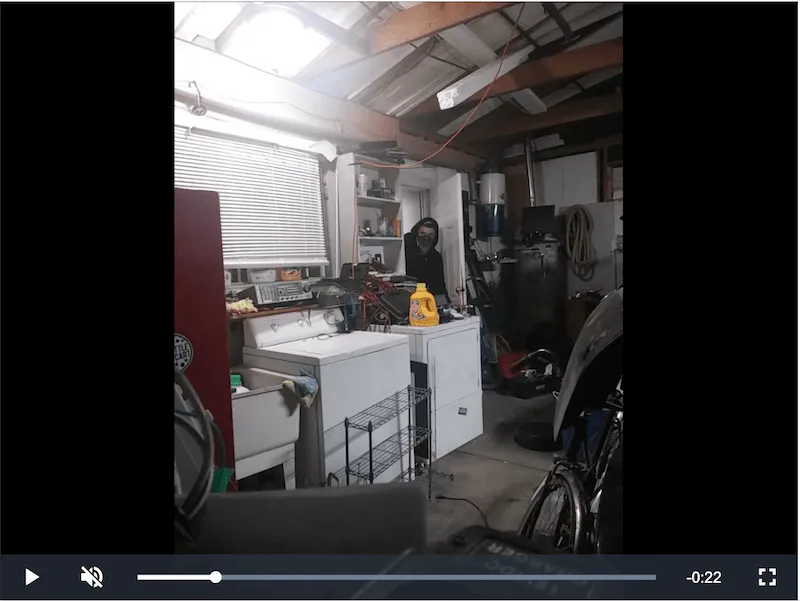
Table of Contents
When Do Most Break-Ins Happen?
Most break-ins happen between 10am and 3pm. Burglars assume the house is unoccupied at these times and will attempt a break-in. To confirm no one is home, burglars might knock on the door.
Properties are more vulnerable to break-ins if they are obviously vacant, unkempt, or lack proper home security measures (like cameras).

What Month Has the Most Break-Ins?
Summertime is when burglaries are the most prevalent, with studies suggesting that July and August are the most popular months for break-ins.
This is likely because home security measures are at their weakest in summer. People leave ground-floor windows open, which accounts for 23% of break-ins.
Front doors are also more likely to be left unlocked in summer due to people coming and going more frequently. Research shows that 34% of burglars enter through an unlocked front door.
Homes are left vacant during the summer months as people go on vacation, making them an easier target.
Recommended reading: How To Leave A House When Going On Vacation
Installing temporary home security cameras and leaving lights on timers are important burglar deterrents when on vacation.

Do Burglaries Happen At Night?
It’s more likely for burglaries to happen during the day, but they still happen at night.
Most burglaries are opportunist, which is why they take place during the day when homes are more likely to be vacant.
Break-ins that occur during the night tend to be premeditated. Night-time robbers watch and target a house specifically before breaking in.
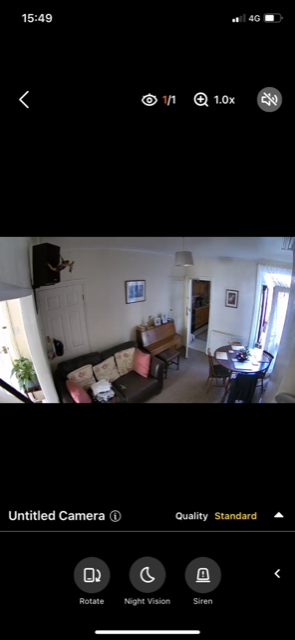
If there’s no light source at night, your security camera must have night vision to illuminate the area. The AlfredCam security camera line designed to use alongside the AlfredCamera app features super reliable infrared night vision, so you can monitor the home clearly even in the dark.
A burglar is more likely to target a property at night if it’s in a remote area, vacant, or is home to a vulnerable person.
When Do Most Home Invasions Occur?
A home invasion tends to be more severe and traumatizing than a burglary. Most home invasions take place when someone is home.
In a burglary, criminals stay less than 10 minutes. A home invasion lasts much longer.
Once inside, criminals may blackmail family members into granting access to a safe, sending large sums of money, or giving codes/passwords to important accounts. Assault is also very likely to occur during a home invasion.
What are the Odds of Being Burgled?
Unfortunately, the odds of being burgled in the US are high.
Research shows that 75% of all homes will experience a burglary over a 20-year period, even in affluent and low-crime areas.
To minimize the risk of being burgled, homeowners can:
- Install home security cameras
- Keep up with home maintenance
- Fit floodlights on motion sensors
- Repair faults that make a property vulnerable quickly
- Avoid advertising when a property is vacant (e.g., posting on social media during vacations)
- Close and lock windows when not in the room
- Lock doors, including interior garage doors that connect to the house
- Secure garage doors
- Join a neighborhood watch scheme
Conclusion
Properties are vulnerable to break-ins when homeowners are away. Typically, this means during office hours and school finishing times.
Summer is a prime time for burglaries to occur as people leave doors and windows open and/or unlocked. Plus, summer is vacation season, leaving plenty of properties vacant and vulnerable.
Protecting a property by installing additional security measures (like wireless cameras) is the best way to prevent break-ins.
Recommended reading: