
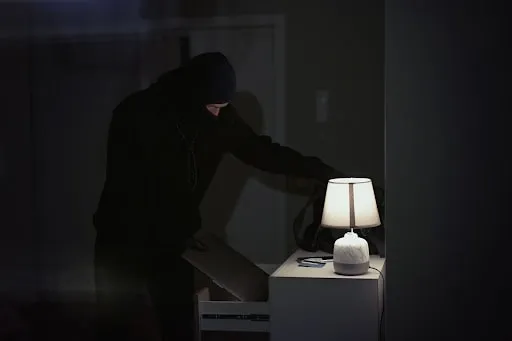
Burglary has a severe impact on the lives of its victims. The trauma caused by experiencing a break-in can be intense, and it isn’t always easy to get over.
In this article, we’ll explain how burglary affects the victim and provide helpful tips on how to move on after a burglary.
Table of Contents
What are the Effects of Burglary on Victims?
Being burgled is a traumatizing experience. Knowing someone has been inside your home, gone through your possessions, and stolen things you value leaves a feeling of violation and insecurity.
The most common effects of burglary on victims include:
1. Anxiety about being burgled again
If a criminal breaks into a property once, there’s the possibility of it happening again. This is particularly the case if home security measures are not increased after the initial break-in.
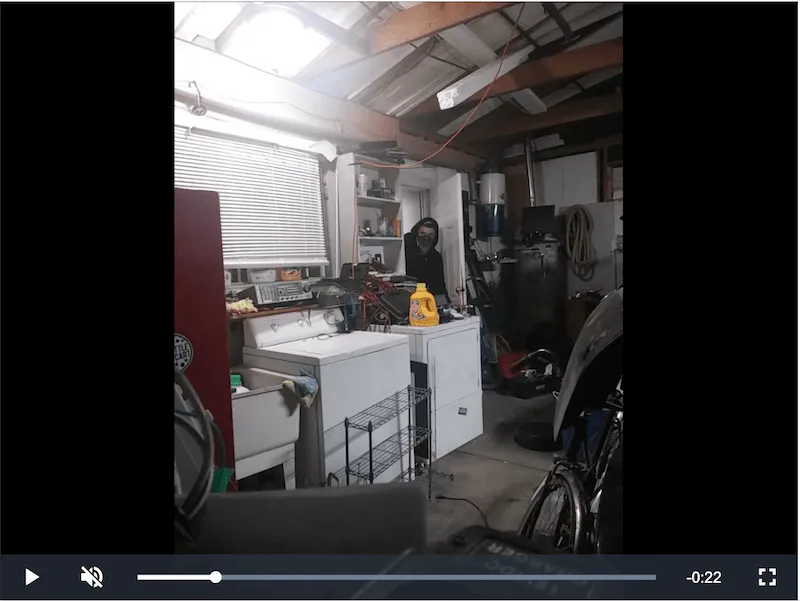
Many people experience anxiety and worry about being burgled again. Statistics show that these fears are, sadly, justified.
After a house is burgled, a quarter of homes are broken into again just one week later. Within a month, the number of homes burgled again more than doubles.
2. Fear of living in the house
It’s common to feel afraid of living in your own home after a burglary.
Some people choose to move away from their property temporarily, but since repeat burglaries are common, leaving a property totally vacant increases the likelihood of it being burgled again.
3. Disturbed sleep and/or insomnia
A frequently reported psychological impact of burglary is disturbed sleep. Research shows that insomnia and vivid nightmares are common after a burglary.
This is more likely if the homeowners were home during the break-in – which is the case for 30% of burglaries.
For some victims, this makes them very light sleepers – a factor that contributes to their anxiety overall. Lack of sleep is detrimental to mental and physical health.
4. An urge to move house to start afresh
Moving house after a break-in might feel like the best solution, though it’s far from an easy decision to make.
In reality, crime happens in every neighborhood, so moving isn’t necessarily a guarantee of security.
But living in a neighborhood with excessive crime is far from desirable, so those in the position to consider moving might want to give it some thought.
5. A desire to increase home security
The best way to respond to a burglary is to increase home security. Acting fast helps prevent burglaries as best as possible.
Installing home security cameras is renowned as the best way to prevent further break-ins. 60% of burglars reported that they’d walk away from a property if they spotted a home security camera.

Is Being Robbed a Trauma?
Being burgled or robbed is considered a traumatic event, regardless of whether it happens in the home or on the street. It’s common for victims of robbery to experience PTSD (post-traumatic stress disorder) after being robbed.
Some people experience anxiety, depression, insomnia, and paranoia. Many people also feel confused, angry, and scared after being robbed. Such issues can have a long-term or short-term impact on a person’s professional, personal, and family life.
How Long Does It Take to Get Over a Burglary?
There’s no fixed window for how long it takes to get over a burglary, and it’s important to show yourself kindness and patience as you process the event. Some research suggests it takes at least eight months to get over a burglary, but responses to trauma differ.
How Do You Feel Safe Again After a Burglary?
While processing trauma after a burglary will take as much time as it needs, installing home security cameras is a way to alleviate the sense of exposure and vulnerability fast. It’s also a logical way to prevent a second break-in and reintroduce a sense of safety and empowerment to your life.
Recommended reading: Home Security Camera Placement: Where Should You Install Yours?
But this isn’t the only way to start feeling safe again after a burglary. Here are some ways to feel safe again after a burglary.
1. Change the locks
Few burglars steal house keys, but it’s hard to know whether they’ve taken a copy of the keys without your knowledge. Knowing a criminal may have access to your property is a troubling thought.
Ease the anxiety every time a key is heard in the lock by immediately changing the locks on the front, side, and back doors. Even if keys weren’t stolen, this offers peace of mind to victims.
Recommended reading: Securing Your Home With These 7 Sliding Door Locks
2. Repair any damage
Smashed windows, broken doors, or damaged locks make the property insecure, and put you at risk.
Home interiors might also be trashed during a burglary. Living with the damage can make a house feel cold and unsafe.
Cleaning up and repairing all the damage caused makes the home safer and more pleasant to be in.
3. Replace valued possessions
The five most common items stolen in burglaries are cash, jewelry, office equipment, clothing, and electronics.
Sentimental items are rarely stolen.
Replacing the stolen possessions through home insurance makes a house feel like a home again. It also helps occupants move on from the burglary.
4. Overhaul home security
Several measures can be put in place to make a home more secure, but the most effective burglar deterrent is a visible camera on the property.
Ways to increase home security include:
- Install home security cameras
- Fit preventative signage (like ‘CCTV in Operation’ or ‘Guard Dog on Patrol’)
- Add extra security to back doors
- Add additional locks to garages, sheds, interior garage doors with access to the property, basement wells, side gates, and doors
- Secure the garage
- Lock ground-floor windows when not in use
- Install floodlights
- Fit timers to lamps and leave radios on when the home is vacant
- Move valuables away from windows and doors
- Lock cat flaps when not in use
Conclusion
Many people worry about being burgled. In fact, it’s the most feared crime in the US.
In the case of home security, it’s better to over prepare than to have none at all. Opportunists won’t target a property if they spot security measures, like a camera or alarm, in place.
Even though many burglars return to a property shortly after breaking in, additional home security measures can make them walk away – keeping you and your family safe.
Recommended reading:
- Burglary vs Robbery: What’s the Difference?
- Should I Move After a Burglary?
- When Do Most Burglaries Occur?
- What are the Most Common Entry Points For Burglars?
- How to Stop Worrying About Being Robbed or Burgled in 8 Steps
- Renovation Burglaries: 8 Ways To Prevent Burglars During Renovation
- Deterring Burglars: Is It Safe To Leave Lights On For A Week?