

Moving home can be a stressful process. There’s a lot to do, which is why some new homeowners leave security to the wayside for another day.
However, properties that have just been moved into are a primary target for break-ins. Plus, homes with unpacked boxes and appliances can pose a safety risk.
Taking time to protect a home, even with quick measures, is important when first moving in. After getting settled, other new home essentials can keep residents safe.
Keep reading to discover the most important new home essentials, plus tips on how to protect a new home against break-ins and other home disasters.
Table of Contents
What are the Safety Essentials for the Home?
It’s better to be protected and well-prepared for if an emergency strikes. To keep a new home secure, new homeowners should ensure they have the following home essentials to stay safe.
1. Home security cameras
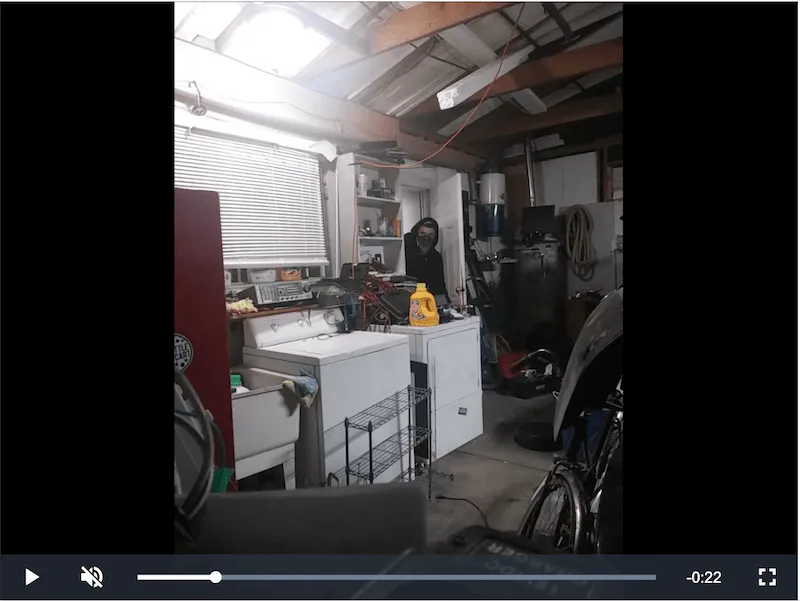
Home security cameras are the best deterrent against burglars, particularly in homes that have just been moved into.
Research shows that burglars are three times more likely to walk away from a property and target a different home should cameras be spotted.

New homes are a primary target for break-ins. Because the property has just been moved into, valuables tend to be packed up in easy-to-steal boxes.
A lack of blinds or curtains also leaves the home exposed at night. Intruders can easily scope out the contents of the property by peering into the main windows.
Plus, most new homeowners don’t install home security devices, like cameras or alarms, immediately after moving in. This makes a new home particularly vulnerable.
2. First aid kit
Every home needs a first aid kit somewhere inside the property. Accidents happen all the time, and having the essentials readily available can make any emergency a non-emergency.
Most first aid kits cost between $20-30 and can be purchased easily at most stores, including Home Depot and Walmart.
3. Fire extinguisher
When a fire breaks out in a property, residents should vacate the home and call 911 so firefighters can tackle the problem.
However, should the fire be small and easily containable, it can be put out with a fire extinguisher. Keeping a small, easily accessible fire extinguisher on a property is ideal for these rare moments.
Having a fire extinguisher readily available is particularly important when first moving into a property.
Because things aren’t in their usual places, with flammable cardboard boxes everywhere, a fire can easily grow out of hand.
4. Home safe
Because recently-moved-into homes are a primary target for burglars, it’s more important than ever to keep valuables safe in the first few days and weeks.
A home safe can ensure your prized possessions are well-protected should a break-in occur.
Installing and moving your valuables into a safe immediately after moving makes it harder for criminals to steal your stuff.
When valuables are kept in boxes or exposed in hallways after first moving in, this makes it easy for intruders to walk away with your belongings.
Most homeowners keep things like passports, spare car keys, expensive jewelry, emergency cash, family heirlooms, and important documents in a home safe.
It’s also recommended that guns and other weapons be kept in safes, particularly in homes with children.
5. New locks
It’s recommended that homeowners change the locks when moving into a new property. While sellers are required to hand over all keys, you can never be too careful.
Anyone could have keys to the property, including neighbors or old family members that the sellers have forgotten about.
Plus, when buying an older property, the locks may not meet current home insurance requirements. A homebuyer’s survey should identify whether this is the case.
6. Smoke detector alarms
Smoke alarms are another essential for new homes. These should already be wired into your property. If not, installing battery-operated smoke detectors is an essential task for new homeowners during the first week.
Most regulations require smoke detectors to be installed inside every sleeping room, outside each sleeping area, and on every level of the property.
Check the requirements in your state to ensure you’re installing enough smoke detectors to keep you and your family safe.
7. Flashlights
When power outages occur, most of us turn to our built-in phone flashlights. But mobile batteries only last for so long before they require recharging.
In an emergency, a phone is best kept charged for other reasons than the use of a flashlight.
Therefore, when a power cut happens at night, having several flashlights with spare batteries is always handy. They can be used to illuminate rooms in a home for hours or even days without draining a cell phone’s battery.
8. Candles
Unless you live in a location that frequently experiences power cuts, a flashlight with spare batteries will do the trick in an emergency at night.
But you can never be too careful, particularly when data finds that the average American went over 8 hours without electricity in 2020 (source).
Most safety candles have a burn time of around 40 hours, which can last the average home as long as 10 days.
Keeping several candle sticks and holders on a property for dire situations like these ensures you’re never left without light on a property. Use candles with care: never leave a burning candle unattended, keep it away from curtains, paper and other flammable items, and put it out before going to sleep. Battery-powered lanterns and flashlights are the safer choice wherever possible.
9. Portable generator
Few homes require a portable generator, but in some homes, they are essential. Portable generators are particularly useful in properties that experience frequent power outages throughout the year.
For example, if your new home resides in a stormy state, hurricane zone, high flood-risk area, or a rural, remote location.
In an emergency, a good portable generator can supply between 5,000 to 8,000 watts. This is enough to power an average-sized house for several hours, including the refrigerator, lights, and any other plug-in appliances. Always run a portable generator outdoors, well away from doors, windows and vents, and never in a garage or inside the home, because its exhaust contains deadly carbon monoxide. Install battery-powered carbon monoxide alarms on every level of the home.
FAQ
What home essentials equipment do I need to stay safe?
Every home should have some essential safety equipment to prevent emergencies should an unexpected event occur. Essentials include working smoke alarms, carbon monoxide alarms, fire extinguishers, and first aid kits.
Other equipment you can keep in your home to stay safe include flashlights, candles, sandbags, and portable generators for use in an emergency. For example, if a power cut and/or flood occurs on the property.
Do burglaries happen more often at night or during the day?
Burglaries are more likely to happen during the day, when homes are more likely to be empty, though night-time break-ins do happen. Our guide to when most break-ins happen has more detail.
Conclusion
Moving into a new home is a busy period for most people. There’s a lot of physical and administrative work to do.
However, safety is paramount. Break-ins are common in new houses, particularly when home security cameras or alarms are not installed. Don’t forget about these home essentials to stay safe.
Moving boxes into the home, airing out rooms, and keeping tools or valuables in visible areas also pose a risk to new homeowners. Intruders watching the property can easily break in or make the house a target.
It’s always good to be prepared in case a disaster strikes. Alongside protecting a property, ensuring you have new home essentials for safety can keep you, your family, and your home safe from harm.